|
Stress is the tension felt when faced with a new, unpleasant, or threatening situation. The hormone surge we experience during stress produces an automatic physical reaction as well an emotional response that can be controlled and managed. The physical signs of stress include increased heart rate, perspiration, headaches, appetite changes, dry mouth, frequent urination, and diarrhea or vomiting. The emotions that accompany stress are typically anxiety, irritability, and fearfulness which often lead to impulsiveness, increased use of drugs or alcohol, and overeating. It is very important to find alternative coping strategies for stress that aren’t harmful to your health and performance. Taking care of your body and mind with adequate sleep and proper nourishment are critical. If overeating during stress is an issue for you, it is also helpful to establish an emotional outlet other than food. Fueling your body at regular intervals with balanced meals and snacks can often prevent the urge to overeat, even during stress. There are a number of nutrients related to brain function, including vitamin B12, B6, and folate. Some good sources of B12 are beef, fish, shellfish, dairy, and fortified grains. Vitamin B6 can be found in meats, whole-grains, vegetables, nuts, and bananas. Dark leafy vegetables, okra, asparagus, fruits, beans, yeast, mushrooms, orange juice, and tomato juice, and fortified grains are good sources of folate. With the wide array of food sources, a balanced diet generally provides adequate quantities of these nutrients, so it is only necessary to supplement if a deficiency exists. The essential omega-3 fatty acids are also necessary for mental and physical health due to their role in regulating inflammation and interacting with mood-related molecules in the brain. Food sources of omega-3 fats include fatty fish, flax and hemp seeds, walnuts, and canola oil. Additionally, there are amino acids and other dietary components that serve as precursors for neurotransmitters that function in mood stabilization, feelings of pleasure, learning and memory. The table below outlines the functions and food sources of some relevant examples. With adequate intake of high-quality proteins and/or a variety of seeds and legumes, adequate intakes of these dietary components can be achieved. It is important to recognize that a lack of the precursors needed to synthesize neurotransmitters can result in altered mood and poor coping skills. Consider integrating food sources of these neurotransmitter precursors, B vitamins, and omega-3 fatty acids to promote mental stability and wellness, even during the most stressful of times! 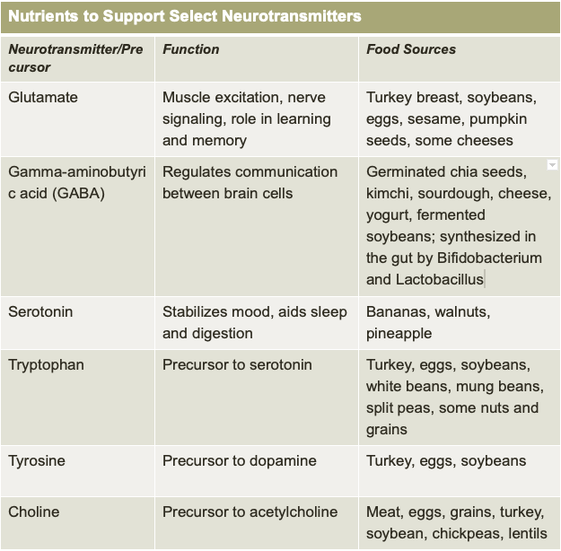 References:
The VITamin D and OmegA-3 TriaL-Depression Endpoint Prevention (VITAL-DEP): Rationale and design of a large-scale ancillary study evaluating vitamin D and marine omega-3 fatty acid supplements for prevention of late-life depression. Contemporary Clinical Trials, May 2018. Haggerty, J. (2020). Vitamins for Bipolar Disorder. Psych Central. Retrieved on October 8, 2020, from https://psychcentral.com/lib/vitamins-for-bipolar-disorder/
1 Comment
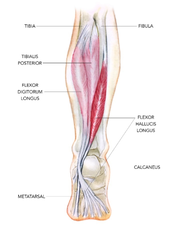 Do you feel pain or clicking in the back of the ankle joint and/or big toe joint with pointing the foot? Is it painful to tendu, releve, plie, or go en pointe? If so, it may be attributed to flexor hallucis longus (FHL) dysfunction. This is a common overuse injury seen in dancers and is often referred to as “dancer’s tendinitis” (Wentzell, M). The FHL plays a major role in foot/ankle stabilization and balance on pointe and demi pointe. Because the FHL muscle crosses two joints, its demands are up to three times higher than that of single joint muscles (Wentzell, M), making the joint especially susceptible to overload with repetitive pointe work, releve, and extreme ranges of plantarflexion. The FHL muscle originates on the posterior fibula. It passes under the medial malleolus through a fibroossues tunnel (green arrow on the far right of the image below), intersects with the flexor digitorum longus tendon (middle arrow), and passes between two sesamoid bones before attaching to the undersurface of the big toe (left arrow). During pointe work, the FHL tendon can be directly compressed as it passes through these points. Compression or entrapment at any of these sites can lead to pain and injury to the tendon. This can be the result of overuse or poor technique en pointe. 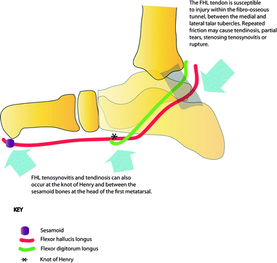 Treatment
Returning to dance after an FHL injury should be gradual. Focus on mastering the basics of your technique. With early diagnosis and treatment, this can be managed to facilitate a quicker recovery and smooth return to dance. References: 1)Wentzell, M. (2018). Conservative management of a chronic recurrent flexor hallucis longus stenosing tenosynovitis in a pre-professional ballet dancer: a case report. The Journal of the Canadian Chiropractic Association, 62(2), 111. 2) Rowley, K. M., Jarvis, D. N., Kurihara, T., Chang, Y. J., Fietzer, A. L., & Kulig, K. (2015). Toe flexor strength, flexibility and function and flexor hallucis longus tendon morphology in dancers and non-dancers. Medical problems of performing artists, 30(3), 152-156. Photo credits: 1) https://www.sportsinjurybulletin.com/the-flexor-hallucis-longus/ 2) Chew N.S., Lee J., Davies M., Healy J. (2010) Ankle and Foot Injuries. In: Robinson P. (eds) Essential Radiology for Sports Medicine. Springer, New York, NY. https://doi.org/10.1007/978-1-4419-5973-7_3 Anemia is a common blood disorder in which the body lacks adequate red blood cells to carry oxygen to tissues. The reduced oxygen delivery results in fatigue and weakness, and can severely interfere with exercise capacity and performance. Causes of anemia include inadequate dietary intake, poor absorption of nutrients, blood disorders, or lack of red blood cell production from the bone marrow. Nutritional anemias are usually detected with blood tests that assess the size and number of red blood cells.
Symptoms of anemia include:
Iron is important at any age, but particularly during stages of rapid growth. The high demands of dance training make dancers susceptible to iron deficiency because iron is lost in sweat. Menstruating females are at additionally elevated risk of developing anemia. The average adolescent should consume 6-8 mg of iron each day and dancers and athletes should aim for 9-12 mg per day to help distribute additional oxygen to working muscles and account for any iron that is lost through sweat. The second and third most common nutritional anemias are related to folate and vitamin B12. Vitamin B12 deficiency anemia is unique in that it causes neurological problems and can take years of inadequate supply before symptoms develop. Inadequate levels of B12 are sometimes caused by poor absorption due to a lack of intrinsic factor (the protein that transports B12 to its absorption site in the gut) or a stomach disease. Folate deficiency manifests quickly and is typically a result of a poor diet or alcohol abuse. Folate needs are approximately 200-400 mcg/day and needs increase to 500-800 mcg/day during pregnancy and breastfeeding. Deficiencies of copper, zinc, and vitamins C, A, and B6 can also contribute to anemias. Eating a balanced diet can help you avoid both iron and vitamin-deficiency anemias. There are two kinds of iron found in foods. Iron that is found in animal products (e.g., beef, chicken, eggs) is called heme iron, and the body can absorb 15-18% of heme iron. In contrast, the body only absorbs approximately 5% of non-heme iron, which is found in plant foods such as grains, dark leafy greens, dried fruits, and nuts. Vitamin B-12 is found in meat and dairy. Citrus, green leafy vegetables and legumes are rich in folic acid. A daily multivitamin can also help fill in any gaps in nutrient intakes from food and help prevent nutritional anemias. Be aware that iron supplements can result in toxic levels of the mineral and should only be used if instructed by a physician. References: John Beard, Brian Tobin, Iron status and exercise, The American Journal of Clinical Nutrition, Volume 72, Issue 2, August 2000, Pages 594S–597S, https://doi.org/10.1093/ajcn/72.2.594S Faramarz Naeim, Chapter 23 - Disorder of Red Blood Cells: Anemias, Editor(s): Faramarz Naeim, P. Nagesh Rao, Wayne W. Grody, Hematopathology, Academic Press, 2008, Pages 529-565, ISBN 9780123706072, https://doi.org/10.1016/B978-0-12-370607-2.00023-5. 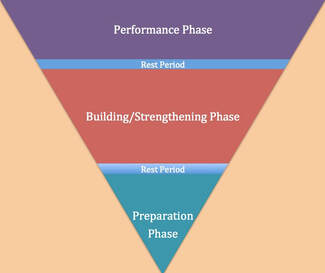 Photo credit: The Healthy Dancer Blog Photo credit: The Healthy Dancer Blog Dancers often ask themselves: Do I need to take time off after a performance? How long should I take for a break? How can I safely train to get in shape after a break? Is it safe to do multiple dance intensive programs? Dancers need to know that sufficient rest and recovery periods are needed to reduce the negative effects of overtraining. Lack of recovery time can adversely affect technique, energy level, mood, performance, strength, and injury risk. In addition, a gradual return back to dance is needed after a break to avoid injury and can be implemented through a periodization program.
Periodization involves a gradual increase in training intensity alternating between work and rest with the dance performance at the peak of the cycle. This type of progression allows for recovery and prevents overtraining. A periodization schedule can be broken up into four phases: preparation, building, performance, and rest.
Periodization is underutilized in dance training, yet is essential for ensuring peak performance and longevity in dance. If you have been on a hiatus from your typical dance class schedule, consider using a periodization approach as you return to your regular dance training. References: Quin, Edel & Rafferty, Sonia & Tomlinson, Charlotte. (2015). Safe Dance Practice: An applied dance science perspective. 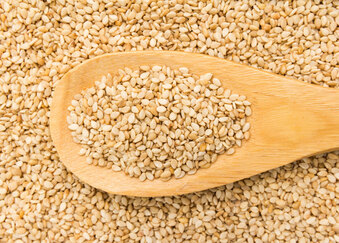 Research continues to shed light on the health benefits of nuts and seeds. Flaxseeds, chia seeds, and sunflower seeds are well-known options, but there are several lesser-known varieties of readily available seeds with potential health effects.
General Characteristics of Seeds Seeds contain the embryo of future plants. To support their development from embryo to plant, seeds are endowed with ample energy and nutrients. This efficient packaging makes seeds calorie dense, so it is important to be aware of appropriate portion sizes when eating seeds as a snack or ingredient. Unique nutrition profiles exist for different seed varieties, therefore, including a diverse array of seeds in your diet can promote health. Seeds are typically a source of protein, unsaturated fats, minerals, and phytonutrients. For individuals with nut allergies, seeds and seed butters offer excellent substitutes! Consider trying one or all of these tasty and nutritious superstar seeds: Sesame seeds are a good source of fiber, which not only supports digestive health but may play a role in reducing risk of obesity, type 2 diabetes, certain cancers, and heart disease. Some studies indicate that regular consumption of sesame seeds may help reduce cholesterol and triglycerides. Sesame seeds also provide phytonutrients (lignans and phytosterols) that may have cholesterol-lowering effects. These tiny seeds supply 5 grams of protein per 3-Tbsp serving and the micronutrients B-vitamins, iron, zinc and copper. Unhulled sesame seeds are especially rich in calcium, a nutrient vital to bone health. Try adding sesame seeds to cereal, stir-fries or steamed veggies, smoothies, or salad dressings. Check out the Sesame Spring Salad recipe for another delicious idea! Pumpkin seeds contain a range of beneficial nutrients, including sterols, magnesium, and polyunsaturated fatty acids. Research indicates that the nutrients in pumpkin seeds may protect against type 2 diabetes and heart disease as well as promote bone health. Pumpkin seeds are a rich source of the amino acid tryptophan, which the body converts into serotonin, a neurotransmitter that promotes relaxation. Pumpkin seeds are a great snack and add crunch and taste to recipes. Top a salad with pumpkin seeds or make homemade pumpkin seed butter by blending whole, raw pumpkin seeds in a food processor. Tomato seeds may be more difficult to digest than most seeds, but they are worth the trouble since they provide a healthy dose of vitamins A and C, potassium and fiber. The seeds also contain lycopene, a phytonutrient known to reduce cancer risk; cooking helps activate lycopene in tomato seeds. The seeds are often consumed dried, but can be enjoyed in tomato sauces or as part of whole tomatoes. References: Carolina Alves Cardoso, Gláucia Maria Moraes de Oliveira, Luciana de Almeida Vittori Gouveia, Annie Seixas Bello Moreira & Glorimar Rosa (2018) The effect of dietary intake of sesame (Sesamumindicum L.) derivatives related to the lipid profile and blood pressure: A systematic review, Critical Reviews in Food Science and Nutrition, 58:1, 116-125, DOI: 10.1080/10408398.2015.1137858 González, Mónica, M. Carmen Cid, and M. Gloria Lobo. "Usage of tomato (Lycopersicum esculentum Mill.) seeds in health." Nuts and seeds in health and disease prevention. Academic Press, 2011. 1123-1132. Sesame Spring Salad 1 pound fresh asparagus, trimmed and cut into 2-inch pieces 7 radishes, thinly sliced 2 tablespoons sesame seeds Dressing: 2 tablespoons olive oil 2 tablespoons thinly sliced green onion 1 tablespoon white wine vinegar 1 tablespoon lemon juice 2 teaspoons honey 1 teaspoon Dijon mustard 1/4 teaspoon garlic powder 1/4 teaspoon grated lemon zest 1/4 teaspoon pepper In a large saucepan, bring 6 cups of water to a boil. Add asparagus; cover and boil for 3 minutes. Drain and immediately place asparagus in ice water. Drain and pat dry. Transfer to a large bowl; add radishes and sesame seeds. Place dressing ingredients in a jar with a tight-fitting lid; shake well. Pour over salad; toss to coat. 5/5/2020 4 Comments Bunion Management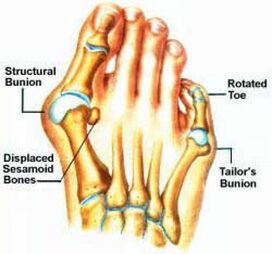 What is a bunion?
What are the common signs/symptoms?
What are the risk factors?
Can I prevent bunions from getting worse?
What can I do to improve my bunions?
Shiel,W.Bunions(HalluxValgus). https://www.medicinenet.com/script/main/art.asp?articlekey=2552. Accessed April 4, 2020. Howell,L.Does Pointe Work Cause Bunions? https://www.theballetblog.com/portfolio/does-pointe-work-cause-bunions/Updated August 31, 2010. Accessed April 4, 2020. 4/7/2020 1 Comment KEEPING IN SHAPE DURING A BREAKSET GOALS:
TIPS FOR SETTING GOALS
USE THIS TIME TO CATCH UP ON REST:
MAINTAIN ADEQUATE NUTRITION:
IMPROVE OVERALL FITNESS LEVEL
Online resources: *Health en Pointe individual nutrition and physical wellness sessions (by appointment) *Lisa Howell ballet blog training at home series: https://www.theballetblog.com/blog/training-at-home/; *Dance prehab digital for videos to improve dance foundations as well as individual wellness/dance-specific training sessions: https://danceprehab.com/login/) 3/26/2020 4 Comments Diet and Infectious Disease - Does what we eat affect our risk of contracting illness?In order to stay healthy, it is crucial that we avoid exposure to disease and practice preventive hygiene like handwashing. Additionally, maintaining a strong immune system is crucial for defending against infection, and nutrition certainly helps support immunity. Amidst the current coronavirus pandemic, many of us may wonder what specific nutrients play a role in fighting a disease like COVID-19. Research is limited on natural remedies specifically for coronavirus, but there is information indicating positive effects of various vitamins and minerals on preventing or treating infectious illnesses.
Vitamin D is found in dairy products, egg yolks, and fatty fish, like salmon. However, the best source of vitamin D is exposure to sunlight - just 10 to 15 minutes of sunshine on the arms and legs each week can generate enough vitamin D to meet most adults’ needs. For individuals living in Northern parts of the world, sun exposure may not be adequate to synthesize enough vitamin D, so a vitamin D supplement may be appropriate to maintain optimal health. Research demonstrates that in people who are vitamin D deficient, adding a moderate vitamin D supplement may reduce the risk of respiratory infection (1). N-Acetyl Cysteine (NAC) is the supplemental form of cysteine, an amino acid found in protein-rich foods like pork. NAC is needed to regenerate glutathione, an important antioxidant that serves to prevent cellular damage. A clinical study demonstrated that twice daily supplementation with NAC reduced symptoms in people with the flu (2). Polyphenol compounds are found in a variety of plant foods and are especially rich in deeply pigmented fruits, such as elderberries. Black elder has been used for centuries as a treatment for viruses and is one of the most popular medicinal plants worldwide. Some preliminary research suggests that elderberry extract may reduce the duration of the flu. Vitamin C is necessary for white blood cell function and enhances iron absorption. Iron deficiency is common among women and dancers, and inadequate levels can increase susceptibility to infections. While adequate vitamin C intake is important for immune function, mega-doses can lead to adverse side effects, such as upset stomach, diarrhea, and interference with medications. Rather than supplementing vitamin C, consider a food-first approach by including several servings per day of fruits and vegetables. Foods rich in vitamin C include kiwi, citrus, bell peppers, berries, strawberries and Brussel’s sprouts. Zinc has anti-viral properties and certain zinc supplements have been shown to reduce the severity and duration of colds (3). Laboratory studies suggest increasing intracellular zinc concentration can impair the replication of a variety of viruses, including influenza and SARS-CoV. Zinc may not prevent infection entirely, but adequate intake certainly supports immune function. Keep in mind that excessive supplementation with zinc may interfere with copper absorption, so limit use of zinc lozenges to once a week. Natural sources of zinc include legumes, nuts, whole grains, seeds, meat and shellfish. For more information about COVID-19, check out the Centers for Disease Control and the World Health Organization’s Myth Busters.
Inflammation is the body’s normal response to promote healing when the body is fighting infection related to injury, wounds, allergens, toxins, or infection. Typical signs of inflammation include swelling, pain, and redness. In contrast, signs of inflammation may not be apparent with chronic inflammation. Chronic inflammation is typically caused by excess body fat or immune dysfunction. While acute inflammation promotes healing, chronic inflammation can result in DNA damage and increase cancer risk.
Despite the numerous “anti-inflammatory diets” promoted online, research is barely emerging in regards to diet and inflammation. So far, scientific studies indicate that consuming a variety of nutritious foods may help reduce inflammation and keep chronic inflammation at bay. Foods that enhance immune function are also important in fighting inflammation. Here is what we know thus far about foods and inflammation:
Tips for reducing inflammation:
In addition to a healthy diet, inflammation can be reduced by getting adequate sleep, remaining physically active most days of the week, and maintaining a healthy weight. Dancers train vigorously and encounter intense competition when trying to achieve peak potential. In an attempt to excel, it is tempting to experiment with dietary supplements. Although these supplements claim to improve strength, weight management, and agility, most do not live up to their claims.
Although the U.S. Food and Drug Administration regulates dietary supplements, the process is different than the regulation of drugs and conventional foods. Manufacturers are responsible for ensuring their products are reasonably safe and not misleading, but are not required to show evidence of supplement effectiveness prior to marketing or sale. Organizations such as the US Pharmacopeia or NSF International test supplements for purity Looking for their label on a supplement indicates at least some standards have been met. Nontheless, evidence is usually lacking or conflicting, supplements are expensive, and side effects are common. As an alternative, a balanced diet can provide the nutrients you need for overall health and peak performance. Foods can provide many of the substances found in popular supplements, for example: Creatine - produced naturally in our muscles for energy production and also found in fish and meat. Creatine supplements are taken to increase exercise intensity and improve strength and muscle gains. Results tend to vary greatly depending on the study and particular athletic event. Branched-Chain Amino Acids (BCAAs) - leucine, isoleucine, and valine are amino acids found in protein-rich foods. BCAAs are often taken to delay fatigue and boost muscle growth, but studies are inconclusive regarding the effectiveness of taking BCAA supplements for performance. Fish, chicken, eggs, tofu and dairy are great sources of BCAAs. Chromium Picolinate - a supplement used for weight loss or muscle building and a naturally occurring mineral found in fruits and vegetables, and whole grains. Supplement doses may cause oxidative damage and can potentially interfere with iron functions in the body. Include sources of the mineral in the diet, but supplementation is not recommended. Collagen and Bone Broth - collagen is a protein needed for rebuilding bone, skin, and connective tissue. It is present in many high-protein foods that are also rich in minerals and contribute flavor and satisfaction to meals. Collagen and bone broth may be useful when solid foods are being avoided due to surgery or illness, but are not necessarily more nutritious than high protein whole foods. It is also important to note that bone broth and collagen water can be high in sodium, so if using for a soup or stew, opt for a low-sodium broth or stock. You will still obtain the protein and nutrients without consuming excessive sodium, which can contribute to dehydration and high blood pressure. While supplement companies may provide interesting information about their products, it's best to take a balanced approach and review unbiased sources as well. You can find reliable information about dietary supplements from trusted online resources, such as the National Institute of Health’s Office of Dietary Supplements. For more information, consult a registered dietitian to assess your individual needs. |
CategoriesAll Cross Training Injury Prevention Nutrition Recipes Wellness Archives
October 2021
|
 RSS Feed
Proudly powered by Weebly