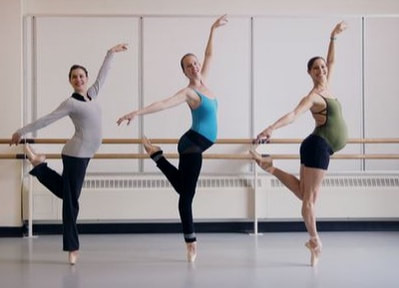
 Photo credit: Pacific Northwest Ballet During pregnancy, a woman’s body will change more in nine months than it’s likely to change during any other life stage. Because of these changes, pregnant women are generally encouraged to rest and enjoy “eating for two”. For dancers, taking it easy is not always ideal or even possible. Pre-professional and professional dancers often continue to train until their due date and will return back to the studio soon after delivery. What does training while pregnant involve? Will dancing while pregnant harm an unborn child?
4 Comments
Research indicates that a vegetarian diet does not negatively impact athletic performance. On the contrary, an energy restrictive and nutrient poor diet leads to a variety of deficiencies that diminish health and impede dance training. Is a vegan diet guaranteed to make you healthier and give you more energy? Not necessarily. A plate of fries may be free of animal products, but offers zero nutrients and contains hydrogenated oils. The effect of a vegan diet is also influenced by your training, lifestyle habits, and body weight.
Benefits of a vegan diet include:
Concerns about a vegan diet include:
To prevent long-term deficiencies, vegan dancers should be especially diligent when preparing and managing food intake and should consider working alongside registered dietitian to ensure their needs are being met. References: Melina, V., Craig, W., & Levin, S. (2016). Position of the Academy of Nutrition and Dietetics: vegetarian diets. Journal of the Academy of Nutrition and Dietetics, 116(12), 1970-1980 Institute of Medicine. Food and Nutrition Board. Dietary Reference Intakes: Thiamin, Riboflavin, Niacin, Vitamin B6, Folate, Vitamin B12, Pantothenic Acid, Biotin, and Choline. Washington, DC: National Academy Press, 1998. Brown, D. D. (2018). Nutritional Considerations for the Vegetarian and Vegan Dancer. Journal of Dance Medicine & Science, 22(1).  Traveling to a summer intensive or performing on tour can be exciting and educational, however being away from home presents several challenges related to good nutrition. Many factors may be out of your control, so it is important to be prepared and resourceful as you try to maintain some semblance of your usual routine. Below is some practical advice for nutrition during travel.
Have a safe, successful and healthy trip! 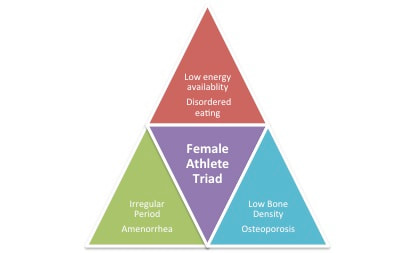 The Female Athlete Triad is a condition that includes three components:
– Low bone density (risk for stress fractures and osteoporosis) – Disordered eating – Amenorrhea (no menstrual cycle for three months or more) (Matzkin et al., 2015). The consequences of the Female Athlete Triad can be long-term and irreversible, and include stunting of growth, reproductive dysfunction, and osteoporosis. Any female athlete is at risk for this syndrome, but women who participate in dance are more susceptible because of the desired lean aesthetic and rigorous training schedule (Barrack et al., 2014). Peak bone density is achieved between ages 18 to 25 years. Poor nutrition (i.e., insufficient calories, calcium and vitamin D), stress, and intense training lead to hormonal disruption during the peak-forming period. Reduced estrogen production leads to bone resorption, and this can occur despite the fact that load-bearing physical activity such as dance usually improves bone-mineral density. Some female athletes have bone density similar to older postmenopausal women, which is dangerously low. One study reported that 80% of female dancers diagnosed with stress fractures of the second metatarsal started their menstrual period late (O’Malley, 1996). This type of bony injury requires at least 6-8 weeks to heal and even longer to rehab. The remedy for Female Athlete Triad requires that energy needs be met consistently, either by modifying diet or reducing exercise. If body fat is inadequate, restoring body weight to a healthy level is the best strategy for normalizing menstrual periods and improving bone health. References:
Looking and performing your best for auditions should not involve suffering or engaging in crash diets. Obtaining ideal body composition may require you to be more aware of the quality and quantity of your food choices as well as the intensity of your training regimen.
Some simple suggestions for staying lean include:
Remember, don’t be intimidated by other dancers or their bodies - focus on doing your best and shining in areas you excel at! Allow nutrition to help fuel you during the audition season - you need adequate food fuel to provide energy, build strength, and maintain a healthy immune system.  Homemade chicken noodle soup made in the crock pot for a set-it-and-forget-it easy dinner. You can evan prep all the ingredients ahead of time and store them in the freezer to pull out on a day where you forgot to plan dinner. Just make sure you thaw the ingredients before adding it to the slow cooker to prevent it from staying at an unsafe temperature for too long.
8 ounces whole-wheat egg noodles or other whole-wheat noodles 3 pounds bone-in chicken breast, skin removed 2 cups chopped onion 1 cup chopped carrot 1 cup chopped celery 2 sprigs thyme 8 cups low-sodium chicken broth 2 teaspoons kosher salt 2 cups frozen peas ¼ cup chopped fresh dill, plus more for garnish 2 tablespoons lemon juice
11/4/2018 3 Comments Eating for Immunity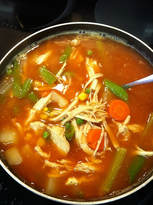 The immune system provides protection from seasonal illness such as the common cold as well as other health problems including arthritis, allergies, abnormal cell development and cancers. Dancers are exposed to physical stress from training, which increases susceptibility to illness. Additionally, working in close proximity with other dancers increases exposure to infection. Nutrition plays an important role in maintaining immune function to protect against infection. Learn how to boost your immunity by including these nutrients in your eating plan.
Proteins form many immune cells and transporters. Try to consume a variety of protein foods including seafood, lean meat, poultry, eggs, beans and peas, soy products and unsalted nuts and seeds. Vitamin A helps regulate immune function and protects from infections by maintaining healthy tissues in skin, mouth, stomach, intestines and respiratory system. Vitamin A is found in foods such as sweet potatoes, carrots, kale, spinach, red bell peppers, apricots, eggs or foods labeled "vitamin A fortified," such as cereal or dairy foods. Vitamin E works as an antioxidant to neutralize free radicals. Include vitamin E in your diet with fortified cereals, sunflower seeds, almonds, vegetable oils (such as sunflower or safflower oil), hazelnuts and peanut butter. Vitamin C protects stimulates the formation of antibodies, which are necessary to fight infection. Citrus fruits such as oranges, grapefruit and tangerines, red bell pepper, papaya, strawberries, and tomato juice are good sources of vitamin C. Zinc is critical for wound healing and aids the immune system. This mineral can be found in lean meat, poultry, seafood, milk, whole grain products, beans, seeds and nuts. Other nutrients, including vitamin B6, folate, selenium, iron, as well as prebiotics and probiotics, may also influence immune response. References: Academy of Nutrition and Dietetics (2017). Protect Your Health with Immune-Boosting Nutrition. Retrieved at eatright.org. 10/3/2018 1 Comment Pre- and Probiotics and HealthProbiotics are beneficial bacteria that exist in our gastrointestinal tract. Prebiotics feed the beneficial bacterial colonies and work synergistically with probiotics. In other words, prebiotics nourish and maintain probiotics, which restores and improves gut health. Probiotic sources include yogurt, kimchi, sauerkraut, miso, tempeh and cultured non-dairy yogurts. Some good sources of prebiotics are bananas, onions, garlic, leeks, asparagus, artichokes, soybeans and whole-wheat foods. Products that combine both are called synbiotics. For best results, try combining pre- and probiotics in your usual diet by enjoying bananas with yogurt or stir-frying asparagus with tempeh.
Are probiotic supplements necessary for everyone? Probably not. In fact, there are risks associated with use of probiotic supplements. These include: systemic infections, metabolic disruption, excessive immune stimulation in compromised individuals, gene transfer, and gastrointestinal side effects (Doron & Syndman, 2015). By consuming regular food sources of probiotics, you can safely maintain the integrity of your gut and avoid disrupting your body's natural microbiome. At a minimum, prebiotics and probiotics are keys for optimal gut health. Research indicates that the gut bacterial environment has implications beyond digestive health. The microbiome may impact weight management and risk of central nervous system diseases (Shreiner et al., 2015). Incorporating health-promoting functional foods, such as foods containing prebiotics and probiotics contributes to a healthier you! Our registered dietitian, Nasira, can provide more advice on obtaining pre- and probiotics for your specific health needs, especially if you have gut issues or a weakened immune system, Contact her today: (425) 445-3914 or nasirasnutrition@gmail.com. References: Doron, S., & Snydman, D. R. (2015). Risk and safety of probiotics. Clinical Infectious Diseases, 60(suppl_2), S129-S134. Shreiner, A. B., Kao, J. Y., & Young, V. B. (2015). The gut microbiome in health and in disease. Current opinion in gastroenterology, 31(1), 69. 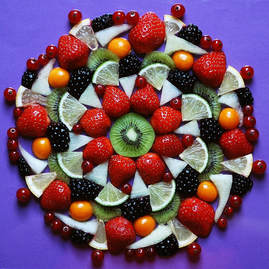 According to the Center for Disease Control and Prevention, nutrient dense foods are those that provide an average of 10% or more daily value per 100 calories of 17 nutrients, including potassium, protein, fiber, iron and calcium (DiNoia, 2014). While there are several fruits and vegetables that are nutrient dense, there are some in particular that are best in the summertime, because they also happen to be refreshing and help with hydration. Citrus fruits and berries are excellent choices for summer snacking. According to CDC’s nutrient density approach, the healthiest of them all is the strawberry, with a nutrient density score of 17.6 (DiNoia, 2014). According to the FDA, strawberries have more vitamin C than any citrus fruit, and are also rich in potassium and fiber. As an added bonus, strawberries are a good source of flavonoids (Odriozola-Serrano et al., 2008) group of phytonutrients linked to reduced risk of diabetes, heart disease, and some cancers (Arnoldi, 2004). Strawberries are about 92% water (NNDS, 2016) a proportion similar to that of watermelon; and, because of their electrolyte content, strawberries are an ideal source of hydration on warm days. If you aren’t a fan of eating a portion of plain fresh strawberries, the flavor of strawberries is delicious when sliced pieces are added to your ice water. There are also many healthy summer recipes, both sweet and savory, that contain strawberries, such as the Caprese Salad with Strawberries recipe below.
Refreshing Caprese Salad with Strawberries 2 pounds fresh strawberries, stemmed and halved 2 cups bite-sized fresh mozzarella balls (Bocconcini), drained and halved 2 tablespoons extra virgin olive oil 1/3 cup balsamic vinegar 3-4 fresh basil leaves, finely diced Salt, pepper to taste In medium sized bowl, toss strawberries and mozzarella balls with olive oil. Season mixture with salt and pepper. Add basil and toss again. Drizzle balsamic syrup over and around salad. Grind more pepper on top and serve. References: Di Noia J. Defining Powerhouse Fruits and Vegetables: A Nutrient Density Approach. Preventing Chronic Disease. 2014;11:E95. Odriozola-Serrano, I., Soliva-Fortuny, R., & Martín-Belloso, O. (2008). Phenolic acids, flavonoids, vitamin C and antioxidant capacity of strawberry juices processed by high-intensity pulsed electric fields or heat treatments. European Food Research and Technology, 228(2), 239-248. Arnoldi, A. (Ed.). (2004). Functional foods, cardiovascular disease and diabetes. Elsevier. National Nutrient Database for Standard Reference, Release 28 slightly revised May, 2016, Software v.2.6.1.  Rest is essential for recovery and healing. It is a recommended to take a couple weeks off after a summer intensive. Adjustments in food intake should be made during these rest periods. Typically, one week is not enough time for your metabolic rate to decrease or for lean mass to dissipate significantly. However, durations longer than one week can result in loss of muscle mass and fat gain if you're not supplementing with resistance training and/or adjusting calorie intake. Plan to make small, simple changes to account for the reduced calorie expenditure when you're not dancing. Be careful not to overcompensate with extreme calorie restriction.This is counterproductive and can cause muscle loss, illness, and injury when you begin training again.
What adjustments should be made to diet during the off-season?
Rather than restricting calories during vacation or off-season, consider cross-training with cardio and resistance training. Low-impact, moderate-intensity cardio such as swimming or fast walking are excellent options to allow for extra calorie burning and promote muscle retention. Walking at ~3.8 to 4 miles per hour (3 to 4 miles/day) or swimming for 30 minutes at a moderate intensity are good options. Add light resistance training with weights, Pilates, or yoga while on a break from dance in order to maintain flexibility and promote muscle gain. Enjoy your summer and remember that you deserve a break! |
CategoriesAll Cross Training Injury Prevention Nutrition Recipes Wellness Archives
October 2021
|
 RSS Feed
Proudly powered by Weebly